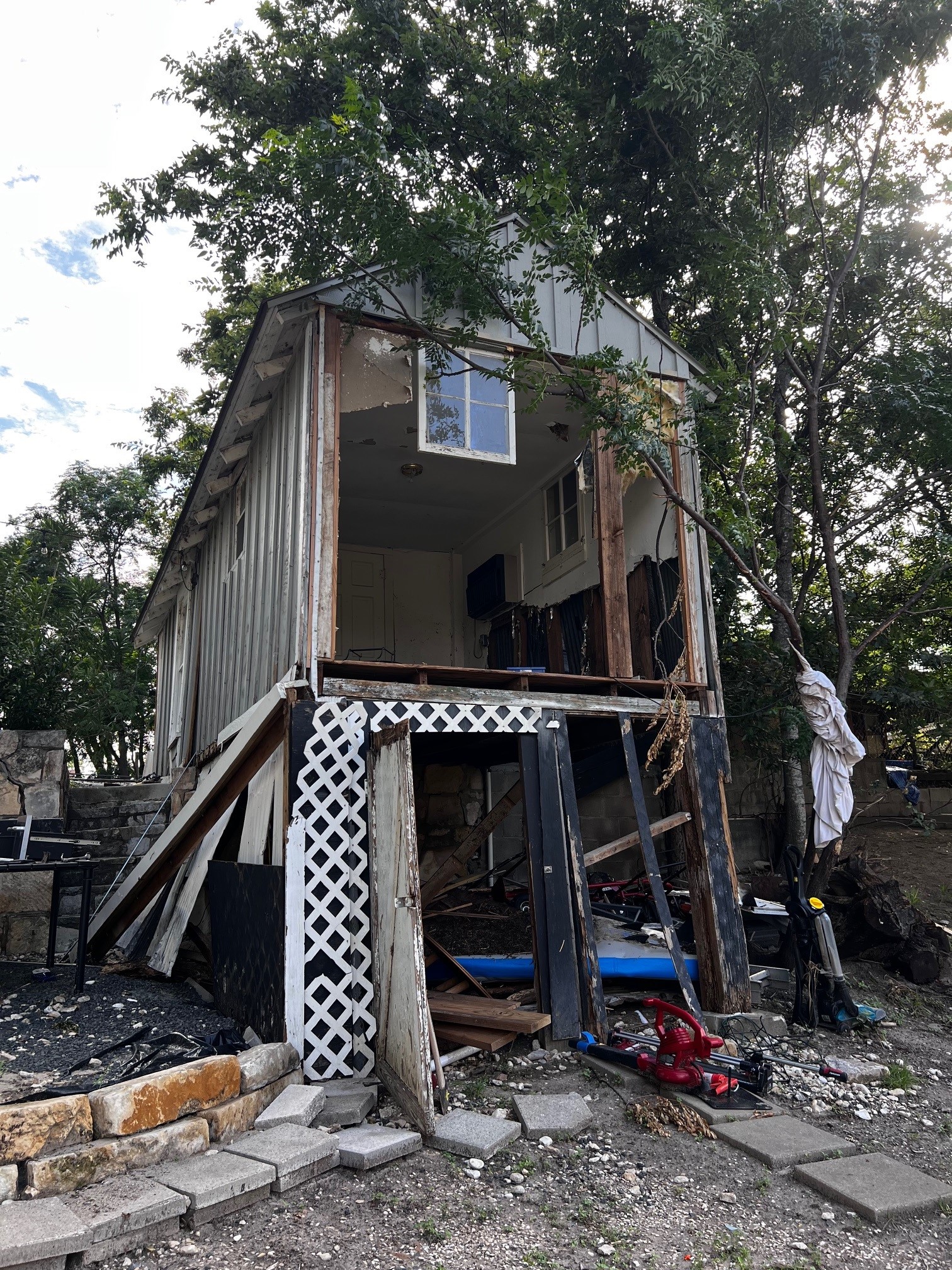

When a hurricane, flood, or wildfire hits a community, most of the public attention goes to homeowners and renters. But small businesses face their own version of the crisis, and they're often the least prepared to survive it. A restaurant, a construction company, or a nonprofit serving its community can lose everything in a single flood event, and unlike large corporations, most small businesses don't have a backup location, business interruption insurance, or a credit line to bridge the gap.
This is where philanthropic capital, funding from donors, foundations, and corporate partners, plays a role that government aid alone can't fill. Below, we break down why small businesses are so vulnerable after a disaster, where federal assistance falls short, and how disaster recovery grants and flexible financing help business owners reopen their doors.
Why Small Businesses Are So Vulnerable to Disasters
Small businesses typically operate with thin margins and limited cash reserves, often enough to cover only a few weeks of expenses. When a disaster disrupts operations, revenue stops immediately while fixed costs like rent, payroll, and loan payments continue.
Research consistently shows that delays in recovery funding during the earliest days after a disaster significantly increase the likelihood of permanent closure. And the effects of a closure ripple outward: jobs are lost, local supply chains are disrupted, community services shrink, tax revenue declines, and the recovery of the entire region slows down.
This is especially true for businesses that have already been through one disaster and are hit again. Owners rebuilding from a prior flood or storm often enter a second event with depleted savings, existing recovery debt, and real exhaustion, all of which makes fast, flexible support even more critical the second time around.
Where Federal Disaster Assistance Falls Short for Small Businesses
A federal disaster declaration is genuinely valuable, but it isn't designed to solve a small business's most urgent problem: cash flow, right now.
FEMA assistance is directed at individuals and households, not businesses. Even when individuals qualify, awards are often modest relative to actual losses.
SBA disaster loans can help, but they typically require insurance coverage and collateral that many small businesses don't have. Owners who are still carrying debt from a previous disaster may not qualify for additional federal lending at all. And even for businesses that do qualify, federal aid often arrives on a timeline of months, not days.
That gap, between when a disaster hits and when federal aid or insurance settlements arrive, is exactly where businesses decide whether to reopen or close for good.
The Toolkit: How Philanthropic Capital Fills the Gap
Effective disaster recovery funding isn't one-size-fits-all. A restaurant that needs to replace refrigeration this week has a different need than a contractor carrying a loan balance on equipment that's now underwater. That's why organizations like LiftFund blend several types of support, each matched to a different moment in the recovery timeline.
Payment Deferrals
A payment deferral pauses an affected borrower's loan payments, typically for several months, so a business owner isn't forced to choose between rebuilding and repaying. Deferrals are among the fastest forms of relief because they require no new underwriting, but they carry a real cost to the lender, since paused payments interrupt the revenue that sustains the loan fund. Philanthropic support absorbs that cost so relief for borrowers doesn't destabilize the institution serving them.
Emergency Grants
Grants are the right tool for immediate, unrecoverable expenses, debris removal, spoiled inventory, emergency repairs, especially for owners who are already leveraged and for whom additional debt isn't a realistic option. Grants restart operations without adding a monthly obligation to a business whose revenue has just gone to zero.
Zero-Interest Emergency Capital
These are loans deployed in days rather than months, at no interest, sized to bridge a business until insurance and federal aid arrive. Because they're repaid, each philanthropic dollar can be recycled to serve additional businesses over time, extending the reach of a relief fund well beyond a one-time grant pool.
Interest Buy-Downs
An interest buy-down uses philanthropic dollars to subsidize a loan's interest, so a borrower pays little or nothing while the lending institution still earns enough to remain sustainable. It's one of the highest-leverage uses of a charitable dollar: a relatively small subsidy unlocks a much larger loan and keeps affordable capital flowing long after the emergency phase ends.
How These Tools Work Together Over Time
Recovery isn't a single moment; it unfolds in phases:
- The first days: Deferrals stop the bleeding for existing borrowers, and grants cover urgent, unrecoverable losses.
- The first weeks: Zero-interest emergency capital bridges operations until insurance and federal aid arrive.
- The following months: Interest buy-downs make longer-term rebuilding capital affordable, and hands-on recovery support, including damage assessments and grant navigation, helps owners capture every other dollar of assistance available to them.
Why Timing Matters as Much as the Amount of Aid
The most important variable in whether a small business survives a disaster often isn't how much help is available, it's how fast that help can reach the owner. Business owners frequently have to decide whether to reopen or walk away within days of a disaster, long before conventional grant cycles or insurance claims conclude. Philanthropic capital, particularly trust-based gifts that allow a lender to repurpose funds as needs evolve, is what allows a first-responder organization to act in hours rather than weeks.
How LiftFund Puts This Into Practice
For more than three decades, LiftFund has helped entrepreneurs recover from hurricanes, wildfires, floods, and economic crises like the COVID-19 pandemic, developing purpose-built disaster recovery systems that prioritize speed, accountability, and equitable access to capital. When disaster strikes, LiftFund deploys grants, deferrals, and zero-interest capital directly to small business owners across the affected region, often within days of the event.
Learn more about LiftFund's current disaster response through the Texas Hill Country Flood Relief Program, or support LiftFund's Emergency Relief Fund to help small businesses recover faster after the next disaster.
Frequently Asked Questions
What is philanthropic capital in disaster recovery? Philanthropic capital refers to donations from individuals, foundations, and corporate partners that fund grants, loan payment deferrals, zero-interest loans, and interest subsidies for disaster-affected small businesses, filling gaps that government aid doesn't cover.
Why doesn't FEMA help small businesses after a disaster? FEMA's disaster assistance program is designed for individuals and households, not businesses. Small business owners typically need to rely on SBA disaster loans, insurance, or philanthropic and nonprofit funding sources instead.
What's the difference between a disaster grant and a disaster loan for small businesses? A grant doesn't need to be repaid and is generally used for urgent, unrecoverable losses. A disaster loan, including zero-interest emergency capital, is repaid over time but can be deployed faster and at greater scale, since the capital can be recycled to help more businesses.
How quickly can a small business get disaster recovery funding? Timelines vary by funding source. Federal aid, such as SBA disaster loans, often takes months to arrive. Nonprofit lenders with emergency relief funds, like LiftFund, can deploy grants and zero-interest capital in a matter of days.
Learn more or make a gift at donate.liftfund.com. To discuss partnership opportunities, contact Verónica Figoli at 210-905-4688 or vfigoli@liftfund.com.